

VLSI (Very Large Scale Integration) is a technology that enables the integration of a vast number of transistors onto a single chip, forming highly complex and efficient electronic circuits. It is a key foundation of modern digital systems, allowing devices like smartphones, laptops, and embedded systems to deliver high performance in a compact form. By minimizing size and maximizing functionality, VLSI has transformed the electronics industry.
The VLSI design flow involves multiple stages such as requirement analysis, system architecture, logic design, circuit implementation, physical design, and verification. Designers use hardware description languages like Verilog and VHDL to model and test circuits before fabrication. This structured approach ensures accuracy, reliability, and optimized performance while handling constraints like power consumption, speed, and chip area.
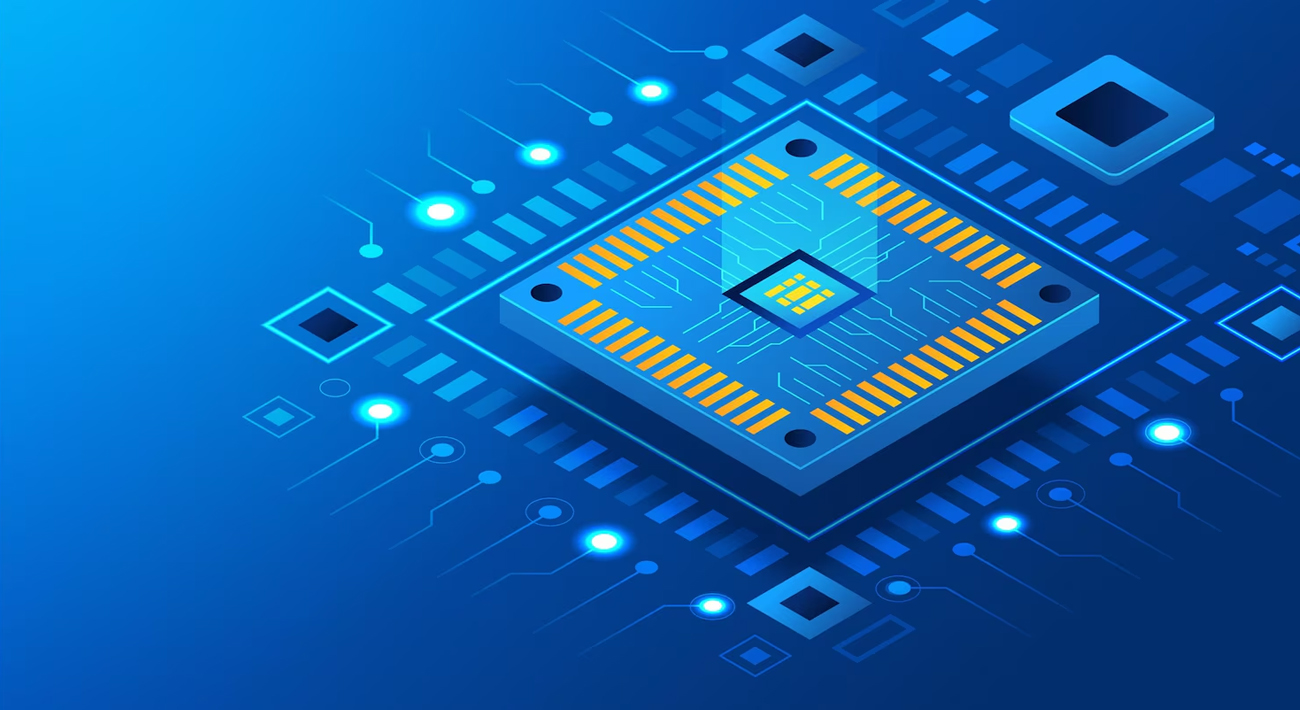
In today’s technology landscape, VLSI is essential for developing advanced processors, memory chips, and System-on-Chip (SoC) solutions. It powers innovations in fields such as artificial intelligence, wireless communication, and high-speed computing. As semiconductor technology continues to advance, VLSI remains a driving force behind smarter, faster, and more energy-efficient electronic devices.
Pentagram is your trusted partner for comprehensive software solutions, addressing diverse business needs with precision and reliability.
© Copyright 2025 - All Rights Reserved By Pentagram