

Embedded systems are dedicated computing systems designed to perform specific functions within a larger device or system. Unlike general-purpose computers, they are tailored for particular tasks, ensuring high efficiency, reliability, and real-time performance. These systems are widely used in devices such as home appliances, automotive systems, medical equipment, and industrial machines, where precise control and consistent operation are essential.
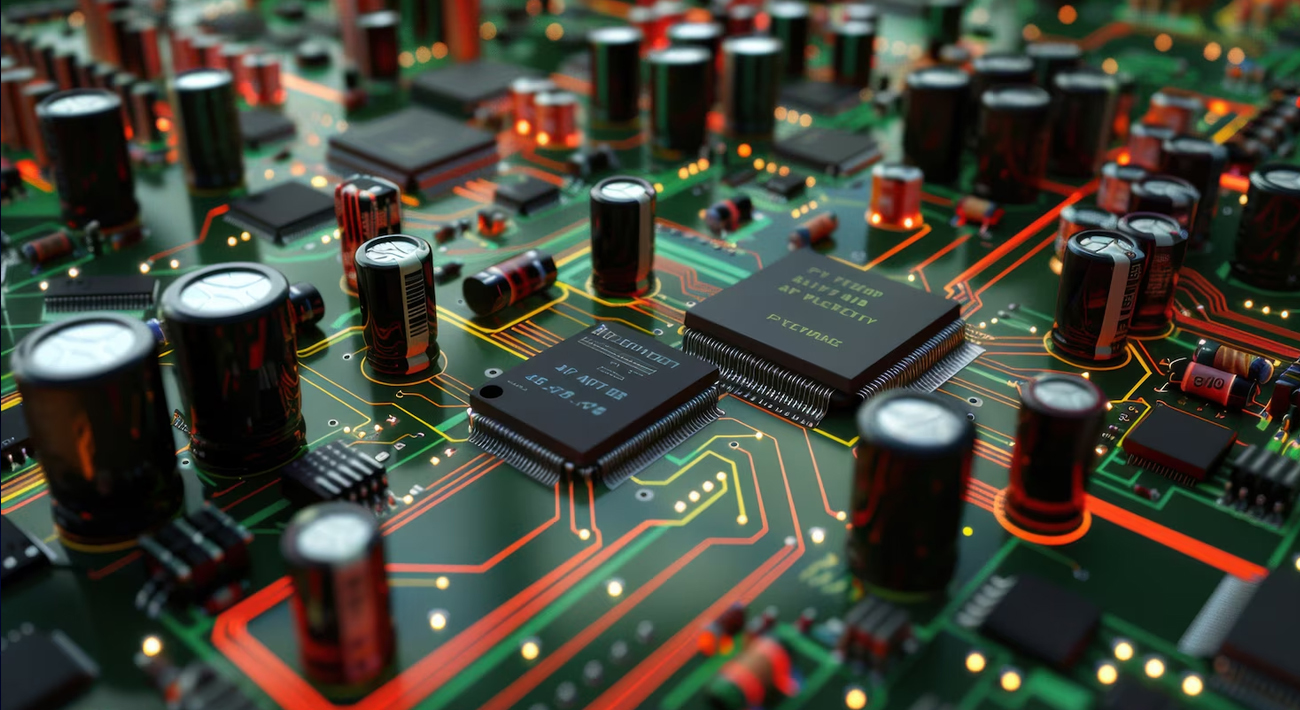
An embedded system is made up of both hardware and software components that work together seamlessly. The hardware typically includes microcontrollers, memory units, sensors, and actuators, while the software is programmed to control and manage system operations. These systems are often developed with constraints like limited power, memory, and processing capacity, which require optimized design and efficient coding practices.
With advancements in technology, embedded systems have become more intelligent and connected, especially with the growth of IoT and automation. They enable features such as remote monitoring, smart control, and real-time data processing. From smart homes to wearable devices and industrial automation, embedded systems play a crucial role in enhancing functionality and improving user experiences.
Pentagram is your trusted partner for comprehensive software solutions, addressing diverse business needs with precision and reliability.
© Copyright 2025 - All Rights Reserved By Pentagram